
March 20, 2026
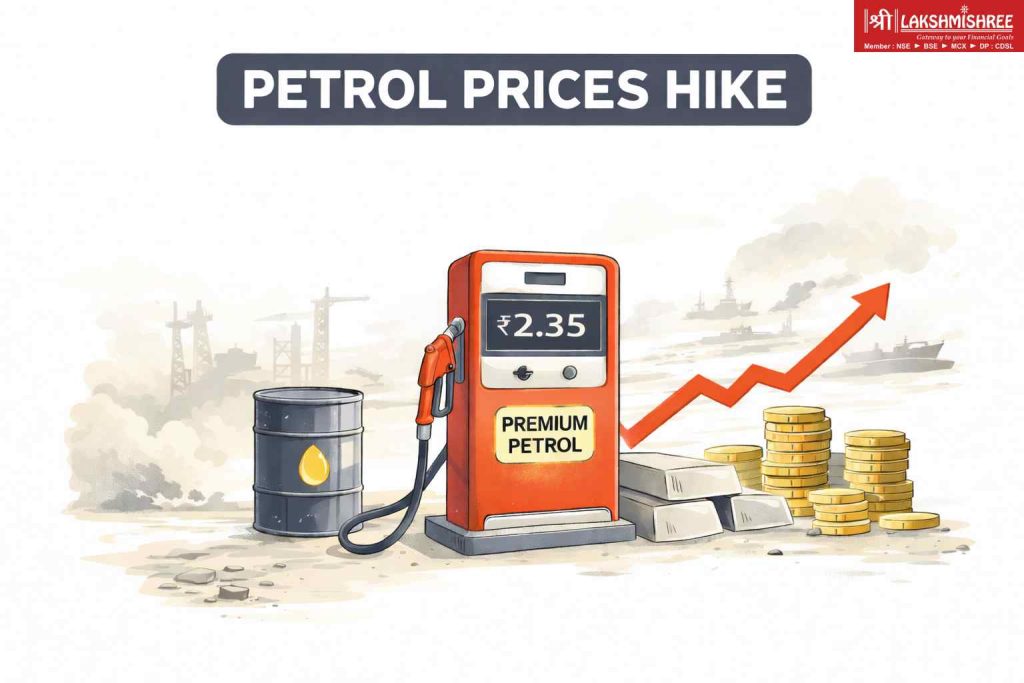
Indian oil marketing companies have raised Premium Petrol Prices by up to ₹2.35 per litre with immediate effect, as the ongoing West Asia conflict continues to disrupt global energy markets and push crude oil prices higher. The hike applies to premium fuels such as BPCL’s Speed, HPCL’s Power and Indian Oil’s XP90, while regular petrol prices have been kept unchanged for now.
The increase comes at a time when global oil supply chains are under severe strain due to escalating tensions involving Iran and US-Israel forces. Attacks on key energy infrastructure and the disruption of critical routes such as the Strait of Hormuz have tightened supply, leading to a sharp rise in crude oil prices worldwide.
Although retail prices of regular petrol have not yet been revised, the hike in premium fuels is being seen as an early signal of underlying cost pressures building up in the system. Officials indicated that Indian refineries are currently operating at full capacity and there are no immediate shortages at fuel outlets, but acknowledged that supply-side stress remains a concern.
Recent data highlights the scale of disruption. India’s crude oil imports dropped sharply in early March, with weekly volumes falling significantly compared to February levels. Supplies from key Gulf producers such as Saudi Arabia, Iraq and the UAE have declined, reflecting the broader impact of geopolitical instability in the region.
The situation has forced India to diversify its sourcing, with nearly 70% of crude now being procured from regions outside the Hormuz route. However, this shift comes with higher logistics costs and limited flexibility, adding to the overall burden on the energy import bill.
The broader economic implications are becoming increasingly visible. Analysts warn that sustained high oil prices could widen India’s trade deficit, with estimates suggesting an increase of over $4 billion month-on-month in March alone. Higher fuel costs are also expected to feed into inflation, affecting transportation, manufacturing and eventually consumer prices.
The government has stepped up monitoring to prevent any supply disruptions or unfair practices at fuel stations, with oil companies conducting inspections across outlets. Despite these measures, the outlook remains uncertain as the duration and intensity of the conflict continue to influence global energy flows.
The current price hike reflects a deeper structural pressure building in the energy market. While immediate shortages have been avoided, the combination of disrupted supply, rising crude prices and shifting trade routes suggests that fuel costs could remain elevated, with potential spillover effects across the broader economy in the coming weeks.

Kaashika is a social media strategist and financial content creator at Lakshmishree. She specialises in simplifying complex IPO and stock market concepts into clear, easy-to-understand content. Having created over 500+ pieces of financial content across reels, blogs, website posts and digital creatives, Kaashika helps audiences connect with the world of finance in a more accessible and engaging way.